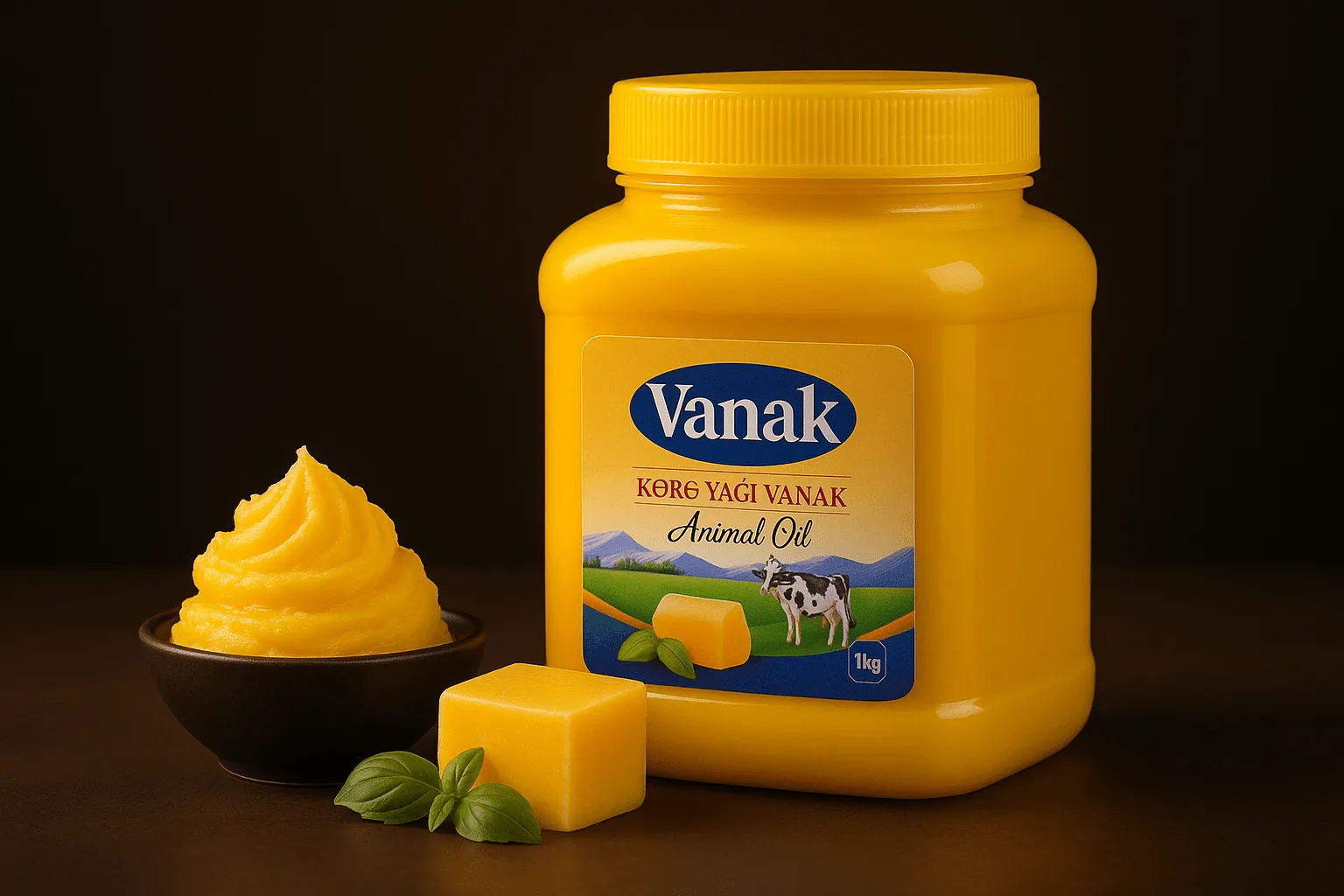
Vanak ghee offers a rich aroma and concentrated buttery flavor. It can be used in a range of traditional and contemporary recipes, but it is a cooking fat rather than a health treatment.
Cooking with ghee
Use a measured amount for sautéing, roasting or finishing rice and stews. Its characteristic flavor works especially well with aromatic spices and slow-cooked dishes.
Choosing the right amount
Ghee contains concentrated fat and energy, including saturated fat. A modest serving can add flavor without making fat the main component of a meal.
Storage and food safety
Keep the container tightly closed in a cool, clean place according to the package instructions. Use clean utensils, and discard the product if it develops an unusual odor, taste or appearance.
A balanced perspective
No cooking fat alone improves immunity, strengthens bones or treats digestive disorders. Overall diet quality, variety and portion size matter more than promotional health claims.
Quick buying checklist
Check the ingredients, storage instructions, pack integrity and stated fat content before choosing a butter or ghee product. For foodservice and manufacturing, trial the product in the actual recipe before placing a large order.
Frequently asked question
Can one dairy fat be substituted for another? Not always. Differences in water content, flavor and melting behavior can change the result, particularly in baking. Make a small test batch first.
Practical uses for ghee
Clarified butter contributes a concentrated buttery aroma to rice, vegetables and certain traditional dishes. Because much of its water and milk solids have been removed, it behaves differently from regular butter during cooking. The exact product and heating conditions still matter. Use only as much as the recipe needs. Add it at a stage that suits the desired aroma and texture, and keep the package clean and closed after use.
Is ghee suitable for everyone?
Ghee remains a concentrated source of fat and energy. Portion size and the overall diet matter, and people with particular dietary restrictions should check the product labeling and professional advice.
Before you decide
Think about the purpose of the product, the number of people being served and the preparation method. A choice that works well in a professional bakery may not be the most convenient for breakfast at home. The useful comparison is between actual ingredients, pack sizes, handling instructions and results in your own kitchen.
Common buying mistakes
Avoid judging solely by the color or an unusually strong aroma. Neither proves freshness or purity. Check the expiry date, storage directions and intact packaging. Price can be one factor, but it should be assessed alongside the stated specifications and the amount that will actually be used.
Practical storage guidance
Use clean utensils, cover opened containers and avoid repeated long exposure to warmth. Protect dairy fats from foreign odors and follow the manufacturer’s instructions for the exact product. If an item shows signs of spoilage or uncertain storage history, do not use it.
Questions worth asking
What type of recipe is this for? Is a pronounced dairy flavor important, or is texture the main concern? Will the product be used quickly or stored for a longer time? These questions help narrow the choice without relying on broad promises.
Making a useful comparison
Compare equivalent quantities and the same conditions of use. For bakery or foodservice orders, keep brief notes on texture, flavor and ease of portioning after a trial batch. Reliable decisions are made from repeated practical results rather than a single visual impression.
0 comments
No comments yet. Be the first to comment.